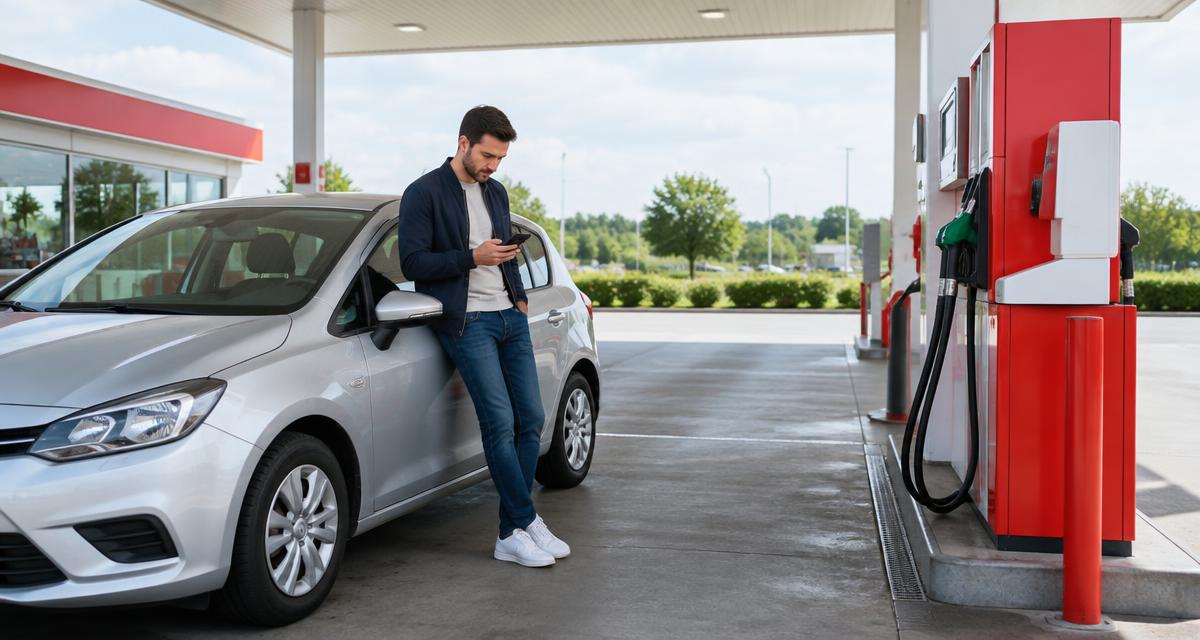
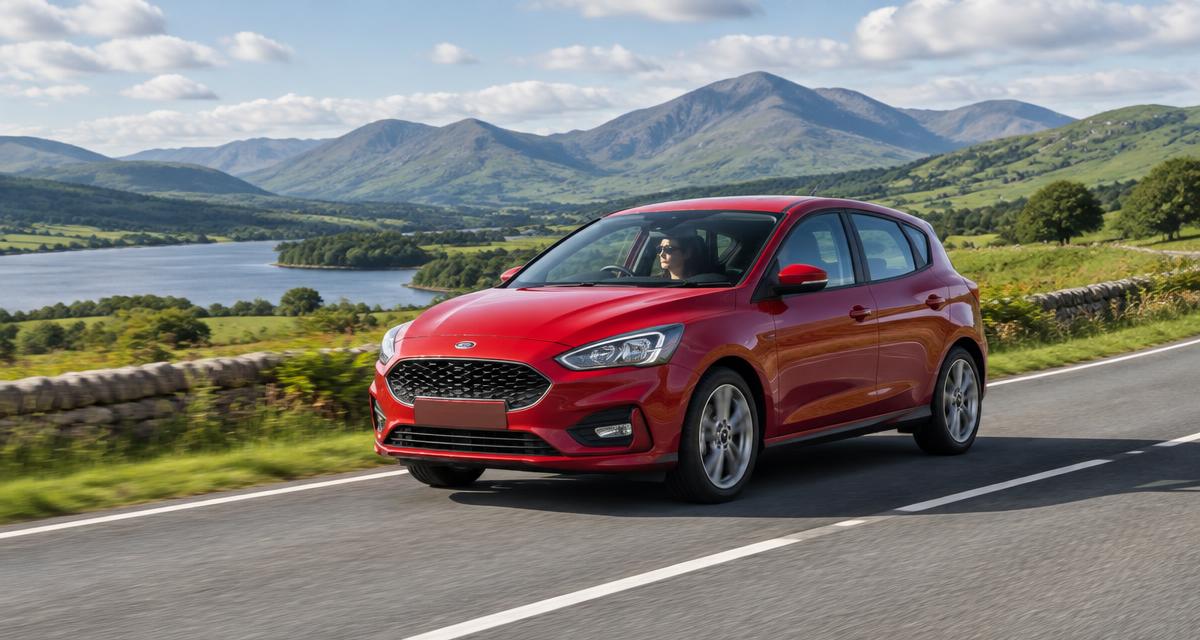
To save fuel while driving, accelerate smoothly, anticipate traffic, stay within speed limits, maintain the correct tyre pressure, and combine unnecessary short trips. These habits reduce the fuel your car needs rather than relying only on a cheaper pump price.
The advice below is for petrol and diesel vehicles. Results vary with your vehicle, route, weather, and starting habits; no single percentage saving applies to every driver. Safety and the manufacturer's instructions always come first.
1. Accelerate and brake smoothly
Leave a safe following distance and look ahead so you can respond gradually to traffic. Avoid racing away from lights only to brake hard at the next queue. The US Department of Energy and EPA's fuel-saving guidance identifies aggressive driving as a major source of wasted fuel.
Anticipating traffic does not mean coasting in neutral, switching off the engine while moving, or rolling through a stop. Keep normal vehicle control and obey road rules. In a manual car, use the gear guidance in your owner's manual rather than forcing the engine into an unsuitable high gear.
2. Keep a sensible, steady speed
Higher speeds increase aerodynamic resistance. Driving at a legal, moderate speed can use less fuel than unnecessary fast cruising. The exact most-efficient speed depends on the car, gearing, road, and conditions; there is no universal target speed for every vehicle.
Cruise control may help maintain a steady speed where conditions are suitable. Follow your vehicle's instructions, and avoid using it when grip or traffic conditions make it inappropriate. Never slow so much that you obstruct traffic or create a hazard.
3. Check tyre pressure when tyres are cold
Use the pressure listed on the vehicle's tyre placard or in its manual, including any adjustment specified for a full load. Do not use the tyre sidewall's maximum pressure as your normal target. Correct inflation supports safe handling as well as fuel economy.
Check pressures regularly and before long trips. A tyre-pressure warning is not a substitute for routine checks, and a recurring loss of pressure needs attention. Have damaged or excessively worn tyres assessed rather than attempting to compensate by changing pressure.
4. Avoid unnecessary parked idling
An idling engine burns fuel while covering no distance. Avoid leaving the engine running during a long parked wait when it is safe and practical to turn it off. Do not switch it off while moving or in situations where you need immediate control.
Use factory stop-start systems according to the manual. Heating, cooling, visibility, passenger safety, and any special diesel operating instructions take priority. FuelEconomy.gov's myth guide explains why prolonged warm-up idling is generally unnecessary for modern vehicles; drive gently until the engine reaches its normal operating temperature.
5. Remove unnecessary weight and roof equipment
Clear out heavy items you do not need for the journey. Keep essential safety equipment and anything required for your passengers. A roof box or rack can add aerodynamic drag, so remove it when it is no longer needed if the fitting instructions allow.
6. Combine errands into one planned trip
Several separate short trips can use more fuel than one organised route. Group errands, avoid needless backtracking, and check your destination before leaving. Where practical, walking, cycling, public transport, or sharing a journey can eliminate a car trip altogether.
Plan refuelling along that route too. Our cheap-gas comparison guide explains how a long detour can eat into a pump-price saving.
7. Follow the maintenance schedule
Use the specified engine oil and keep scheduled maintenance up to date. Investigate warning lights, unusual running, or a sudden unexplained rise in fuel consumption. Maintenance is not a promise of a fixed percentage improvement, but ignoring a fault can affect fuel use, reliability, and emissions.
8. Buy the right fuel, not automatically the most expensive
Follow the minimum octane, fuel type, and blend requirements in your manual. Higher-octane gasoline is not an automatic fuel-economy upgrade for every car. Read premium versus regular gas to distinguish a required grade from a recommended one. Diesel vehicles need their specified diesel fuel, not gasoline.
9. Measure consumption over several fill-ups
Record distance and the amount of fuel purchased using a consistent fill-up method. For litres, consumption in L/100 km is litres used divided by kilometres travelled, multiplied by 100. For miles per gallon, divide miles travelled by gallons used, keeping the gallon definition consistent.
Compare similar journeys over time rather than treating one unusually easy trip as a guaranteed result. The fuel cost calculator helps translate your consumption into a journey budget.
Frequently asked questions
Do these tips work for diesel cars?
Smooth driving, correct tyre pressure, appropriate maintenance, and avoiding unnecessary load also apply to diesel vehicles. Follow diesel-specific instructions in the manual, including emissions-system guidance.
Should I turn off the air conditioning to save fuel?
Climate control can affect consumption, but visibility, safe temperatures, and comfort matter. Use it sensibly; do not compromise window demisting or passenger safety to chase a small saving.
Sources and next step
Sources: DOE/EPA gas mileage tips and Fuel economy myths and misconceptions. Combine efficient driving with local fuel-price comparison for your next fill-up.