Gas leaks can pose serious threats to both health and property, often leading to fires, explosions, or harmful health effects. Detecting these leaks early is crucial to ensuring safety and minimizing potential damage. This guide will walk you through understanding natural gas, recognizing the signs of a gas leak, practical detection methods, and what to do in case you suspect a leak.
Understanding Natural Gas: What You Need to Know
Natural gas is a widely used energy source, favored for its efficiency and relatively lower carbon emissions compared to other fossil fuels. It serves as a critical component in heating, cooking, and electricity generation. However, its colorless and odorless nature in its raw form poses unique challenges in leak detection. To address this, utility companies add a chemical called mercaptan, which gives natural gas a distinctive rotten egg smell, aiding in leak detection.
Despite its benefits, the use of natural gas comes with potential hazards. Leaks can occur due to aging infrastructure, faulty appliances, or improper installations. Understanding the properties of natural gas and the risks associated with leaks is essential for maintaining safety at home and in commercial settings.
Education on gas usage and safety should be a priority for all households and businesses. Being informed about how natural gas works and what measures can be taken to prevent leaks is the first step in cultivating a safe environment.
1. Recognizing the Signs of a Gas Leak
Identifying the signs of a gas leak early can prevent serious accidents. While the odor of natural gas is the most common indicator, there are other sensory clues that you should be aware of. Being vigilant and knowing what to look for can make a significant difference in ensuring safety.
The Smell of Rotten Eggs: Why Natural Gas is Odorized
The most recognizable sign of a gas leak is the smell of rotten eggs. This scent is deliberately added to natural gas through a process called odorization. The chemical used, mercaptan, is harmless but has a strong, sulfur-like smell. This addition makes it easier for people to detect leaks quickly.
In an enclosed space, even a small amount of leaking natural gas can become noticeable due to this distinct odor. If you catch a whiff of this smell, it is crucial to evacuate the area immediately and contact your gas company or emergency services.
Auditory Clues: Listening for Hissing or Whistling Sounds
Another sign of a gas leak is a hissing or whistling sound near gas lines or appliances. This auditory clue often indicates a more significant leak, where gas is escaping at a higher pressure. Such sounds should be investigated with caution, as they suggest an immediate safety risk.
Regularly listening for unusual sounds around gas appliances and lines can help in early detection. If you hear persistent hissing, it's essential to act quickly, ensuring that everyone in the vicinity is informed and that emergency services are contacted if needed.
Visual Indicators: White Clouds, Bubbles, and Dead Vegetation
Visual signs of a gas leak can be just as telling as olfactory or auditory cues. Outdoors, look for dead vegetation over the pipeline area, which could suggest a leak. In some cases, a white cloud or dust cloud may form near a leaking gas line.
For gas leaks in water pipes, bubbles in standing water can be a clear indicator. These signs should prompt immediate action, including evacuating the area and seeking professional assistance.
2. Physical Symptoms of Gas Exposure
Being aware of the physical symptoms associated with gas exposure can be lifesaving. Inhaling natural gas can lead to various health issues, some of which require prompt medical attention. Early recognition of these symptoms is crucial for safety.
Common Health Effects from Gas Inhalation
Exposure to natural gas can result in symptoms such as headaches, dizziness, nausea, and shortness of breath. In more severe cases, it can lead to unconsciousness or even death due to lack of oxygen, also known as asphyxiation.
These symptoms often manifest quickly, especially in enclosed spaces. If multiple people in the vicinity experience these symptoms simultaneously, it is a strong indicator of a gas leak.
Immediate Actions to Take if Symptoms Appear
If you or others experience symptoms of gas exposure, it's imperative to leave the area immediately and get fresh air. Do not attempt to locate or stop the leak yourself. Instead, call emergency services or your gas company from a safe location.
Seeking medical attention is advisable, even if the symptoms appear mild. Timely intervention can prevent more severe health consequences.
3. Practical Steps to Detect a Gas Leak in Your Home
Detecting a gas leak in your home involves both simple and advanced methods. Regular checks using these methods can help ensure your safety and that of your family. It is essential to be proactive and perform these checks, especially if you suspect a potential leak.
Conducting a Soapy Water Test
One of the simplest methods to check for gas leaks is the soapy water test. Mix a small amount of dish soap with water and apply it to suspected areas, such as joints and connections in gas lines. If there is a leak, bubbles will form due to escaping gas.
This test is easy to perform and does not require any special equipment. However, it is crucial to remember that this is a preliminary check, and professional assessments should follow if a leak is suspected.
Using a Gas Leak Detector: A Comprehensive Guide
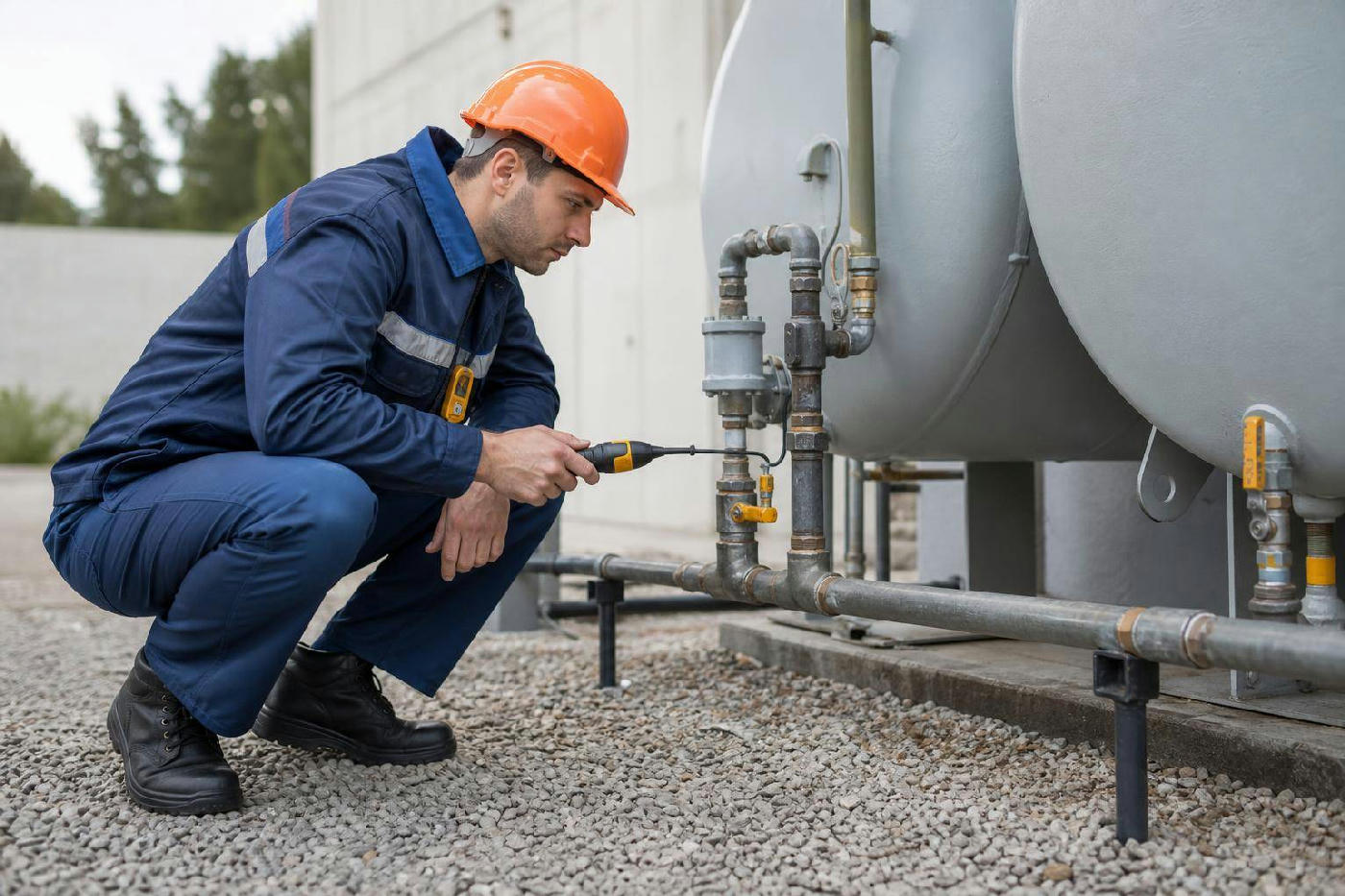
Gas leak detectors are specialized devices designed to identify the presence of gas in the air. These devices range from simple handheld units to more complex systems integrated into home security setups.
When using a gas leak detector, follow the manufacturer's instructions carefully. Regularly test your detector to ensure it's functioning correctly. Keep in mind that while detectors are highly effective, they are most reliable when used in conjunction with other detection methods.
4. What to Do If You Smell Gas
Knowing what to do immediately when you smell gas can prevent disasters. Following the right steps can save lives and minimize damage. This section outlines the crucial actions to take in such scenarios.
Immediate Safety Measures: Evacuation and Emergency Contacts
If you detect the smell of gas, evacuate the premises immediately without turning on lights or using electrical appliances, which could ignite the gas. Once you are in a safe location, contact your gas company or emergency services to report the leak.
Ensure that everyone in the vicinity is aware of the situation and follows the same safety procedures. Quick evacuation is the most effective way to reduce risk during a gas leak situation.
Avoiding Common Mistakes During a Gas Leak
One of the most common mistakes during a gas leak is attempting to locate the leak source. This can be dangerous and should be left to professionals. Avoid using mobile phones or starting vehicles near the suspected area, as these actions can trigger explosions.
Another mistake is ignoring minor gas odors or symptoms of exposure. Even small leaks can escalate into major hazards if not addressed promptly. Always err on the side of caution and seek professional help.
5. Essential Natural Gas Safety Tips
Prevention is key when it comes to gas safety. Implementing routine checks and safety devices can significantly reduce the risk of gas leaks. This section provides essential tips to maintain a safe environment.
Routine Checks and Maintenance for Gas Appliances
Regular maintenance of gas appliances is crucial in preventing leaks. Schedule periodic inspections with qualified technicians to ensure that appliances are functioning correctly and safely.
Check for visible signs of wear and tear, such as rust or cracks in pipes and connections. Address these issues promptly to prevent potential leaks.
Importance of Installing Carbon Monoxide Detectors
Carbon monoxide detectors are vital safety devices that alert you to the presence of this potentially deadly gas. Install detectors near sleeping areas and ensure they are functioning correctly.
While carbon monoxide detectors do not detect natural gas, they provide an additional layer of safety against the byproducts of gas combustion, protecting against risks associated with incomplete fuel burning.
6. How to Properly Shut Off Natural Gas in an Emergency
Knowing how to shut off your home's gas supply can be crucial during an emergency. This section will guide you through the process, ensuring you can act swiftly and safely if needed.
Step-by-Step Guide to Locating and Using the Gas Shut-Off Valve
Locate your gas meter and find the shut-off valve, which is usually located near the meter. Turn the valve a quarter turn in either direction to stop the flow of gas. The valve is off when it is perpendicular to the pipe.
Familiarize yourself with the location and operation of the shut-off valve before an emergency arises. This knowledge ensures you can react quickly and effectively when necessary.
When and How to Seek Professional Help
In situations where a gas leak is suspected, professional intervention is often required. Contact your gas company or a licensed professional to inspect and repair any faulty equipment.
Never attempt to repair gas lines or appliances on your own. Professional services ensure repairs are conducted safely and comply with regulatory standards.
7. Understanding Gas Leak Detection Technologies
Gas leak detection technologies have advanced significantly, offering various options for both homeowners and businesses. Understanding these technologies can help you choose the right solution for your needs.
Comparing Different Types of Gas Leak Detectors
| Type | Advantages | Considerations |
|---|---|---|
| Handheld Detectors | Portable, easy to use | Requires manual operation |
| Plug-in Detectors | Continuous monitoring | Limited to one location |
| Smart Detectors | Remote alerts, integration with smart home systems | Higher cost, requires Wi-Fi |
Choosing the right detector depends on your specific needs and budget. Each type offers distinct benefits, so consider your environment and the level of monitoring you require.
Pros and Cons of Advanced Detection Systems
Advanced gas detection systems offer comprehensive solutions, including integrated alarms, remote monitoring, and automatic shut-off features. These systems provide peace of mind but come with higher installation and maintenance costs.
While these systems are effective, they may not be necessary for every household. Evaluating the risk level and potential benefits can help determine if an advanced system is a worthwhile investment.
8. Real-World Examples: Lessons from Past Gas Leak Incidents
Learning from past incidents can provide valuable insights into improving safety measures. This section examines notable gas leak cases and the preventive steps taken afterward.
Case Studies and Key Takeaways
One significant incident occurred in San Bruno, California, in 2010, where a gas pipeline explosion resulted in fatalities and extensive property damage. This tragedy highlighted the importance of infrastructure maintenance and timely detection.
Key takeaways from such incidents emphasize the need for regular inspections, public awareness, and effective emergency response strategies to mitigate risks and enhance safety.
Preventive Measures Adopted Post-Incident
Following major incidents, regulatory bodies and utility companies often implement stricter safety protocols and invest in advanced detection technologies. Public education campaigns are also intensified to raise awareness about gas safety.
These measures have improved safety standards and reduced the frequency of gas-related accidents, demonstrating the importance of learning from past experiences.
Frequently Asked Questions
What are the most common signs of a gas leak?
The most common signs of a gas leak include the smell of rotten eggs, a hissing sound near gas lines, and dead vegetation over a pipeline. Visual signs such as bubbles in standing water or a white cloud near a gas line can also indicate a leak. If you notice any of these signs, take immediate action to ensure safety.
How can I test for a gas leak if I don’t have a detector?
You can test for a gas leak by conducting a soapy water test. Mix dish soap with water and apply it to connections and joints in gas lines. If bubbles form, it indicates a leak. While this is a simple method, it's advisable to follow up with professional inspection if a leak is suspected.
Is it safe to stay in my house if I smell gas?
No, it is not safe to stay in your house if you smell gas. Evacuate immediately and avoid using electrical appliances or open flames. Contact emergency services or your gas company from a safe location. Quick action is crucial to prevent potential hazards.
Can a small gas leak resolve on its own?
No, a gas leak will not resolve on its own. Even small leaks can pose significant risks and should be addressed promptly. Ignoring a leak can lead to dangerous situations, including fires or explosions. Always seek professional help to repair any leak.
How often should gas appliances be serviced to prevent leaks?
Gas appliances should be serviced annually by a qualified technician to ensure they are functioning properly and safely. Regular maintenance helps identify potential issues early and prevents leaks. This routine check-up is a critical component of gas safety.
Are there any specific gas leak symptoms to watch for in children and pets?
Children and pets may exhibit symptoms such as lethargy, difficulty breathing, or vomiting when exposed to gas. Their smaller size and faster breathing rates make them more susceptible to gas exposure. If these symptoms occur, evacuate the area and seek medical attention promptly.
What should I do if I suspect a gas leak but can’t smell gas?
If you suspect a gas leak but do not smell gas, look for other signs such as hissing sounds, dead vegetation, or bubbling in water. Regardless of whether you can smell the gas, it's vital to evacuate the area and contact professionals to investigate further.