
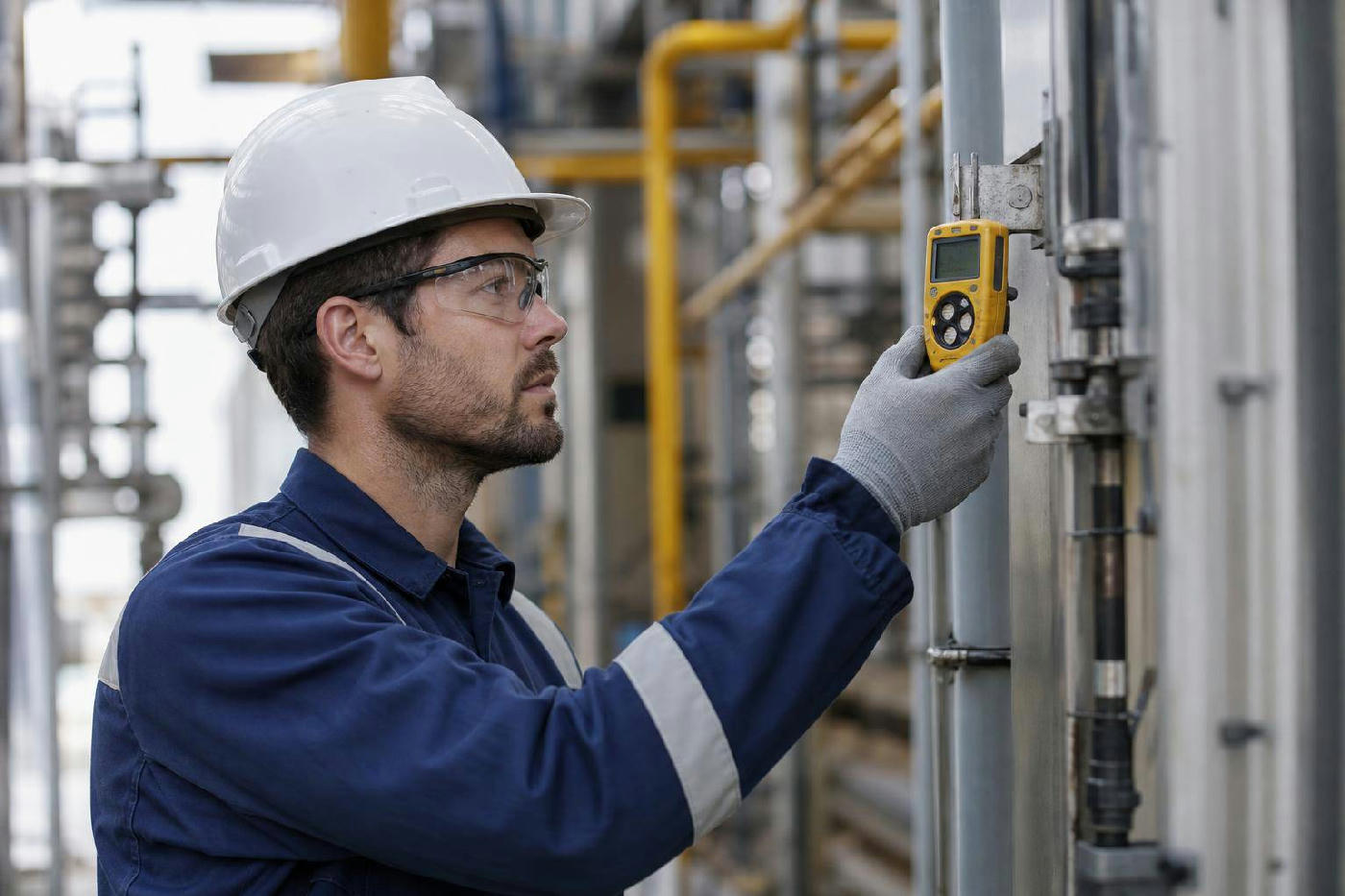
Choosing the right gas detector can be the difference between ensuring safety and facing significant risks, both at home and in industrial settings. Gas detectors are vital tools that detect hazardous gases and alert users to potential dangers, thereby preventing accidents and ensuring regulatory compliance. This guide provides a comprehensive overview of what to consider when selecting a gas detector, ensuring you make an informed decision for your safety needs.
Understanding Gas Detectors: A Crucial Component of Home and Industrial Safety
Gas detectors are essential devices that help identify the presence of hazardous gases in the environment. Used widely across homes and industrial sectors, these devices serve as the first line of defense against potential gas-related incidents. The importance of gas detectors cannot be overstated, given their role in preventing explosions, poisoning, and other gas-related hazards.
The critical factor: Understanding the type of gas you need to detect is crucial. Different gases pose different levels of risk, and the appropriate detector can prevent incidents by signaling the presence of dangerous levels of these gases before they become hazardous.
Technology evolution: Over the years, gas detection technology has evolved significantly. Modern detectors are more sensitive, reliable, and user-friendly than their predecessors. They include features such as digital displays, multiple gas detection capabilities, and enhanced durability, making them indispensable in today's safety protocols.
Real-world impact: In both domestic and industrial settings, the use of gas detectors has led to a significant decrease in gas-related accidents. Industries such as oil and gas, chemicals, and manufacturing rely heavily on these devices to maintain worker safety and operational integrity.
Identifying Your Needs: Industrial vs. Home Gas Detection
Choosing the right gas detector begins with understanding your specific needs. The requirements for industrial applications differ significantly from those for residential use. Knowing these differences is crucial in selecting the appropriate device.
Industrial Gas Detection
In industrial settings, gas detectors are crucial for monitoring environments where hazardous gases could be present. These devices are often required by law and must meet specific safety standards. Industrial gas detectors are typically more robust, with features designed to withstand harsh conditions and provide accurate readings in complex environments.
Key considerations: When selecting an industrial gas detector, consider factors such as the types of gases present, the environmental conditions, and the specific location where the detector will be used. For instance, in a chemical plant, detectors must be resistant to corrosive substances and capable of detecting a wide range of gases.
Example: A refinery may need detectors that can sense both explosive gases and toxic substances, necessitating a multi-gas detection system that can integrate with central monitoring systems for real-time data analysis.
Home Gas Detection
For residential settings, gas detectors are primarily used to identify leaks of household gases such as natural gas and carbon monoxide. These detectors are generally more straightforward and focus on alerting homeowners to potential leaks quickly and efficiently.
Key features: Home gas detectors should be easy to install and operate, with clear alarm signals to indicate the presence of gas. Battery-powered models offer flexibility in placement, while plug-in models provide constant operation without the need for battery replacement.
Practical example: A family living in a home with gas heating appliances will benefit from a carbon monoxide detector placed near bedrooms to alert them during sleeping hours in case of a leak.
Key Features to Look for in a Gas Detector: Sensitivity, Durability, and More
The effectiveness of a gas detector largely depends on its features. When evaluating gas detectors, sensitivity, durability, and other characteristics are crucial factors that impact performance and reliability.
Sensitivity
Sensitivity is one of the most critical aspects of a gas detector. A highly sensitive detector can identify even trace amounts of gas, providing early warnings and preventing potential hazards. This quality is especially important in environments where even small quantities of gas can be dangerous.
Trade-off: Highly sensitive detectors may be prone to false alarms if not properly calibrated. Therefore, it's essential to balance sensitivity with the likelihood of false positives, particularly in environments with fluctuating gas levels.
Industry standard: Many industrial detectors are calibrated to detect gas concentrations at parts-per-million (PPM) levels, allowing for precise monitoring in sensitive environments.
Durability
Durability is another essential feature, particularly for detectors used in harsh industrial environments. These devices must withstand physical impacts, exposure to chemicals, and extreme temperatures without compromising their accuracy or reliability.
Considerations: Look for detectors with rugged designs, water and dust resistance, and robust casings. Devices used in explosive environments should also be intrinsically safe, meaning they are designed to prevent ignition of flammable gases.
Example: A gas detector used in outdoor oil and gas operations might feature a reinforced casing and advanced sealing to protect against rain, dirt, and mechanical shocks.
Additional Features
Beyond sensitivity and durability, other features can enhance a gas detector's functionality. These include digital displays, multi-gas detection capabilities, and wireless connectivity for remote monitoring.
Advanced options: Some detectors offer real-time data logging, which can be crucial for compliance and safety audits. Others may integrate with building management systems for coordinated responses to detected gas leaks.
Practical application: In a manufacturing plant, a detector with data logging capabilities can provide valuable records of gas levels over time, helping to identify patterns and prevent future incidents.
Comprehensive Breakdown: Key Differences & Comparison Table of Gas Detectors
Understanding the differences between various gas detectors can help you choose the right one for your needs. The table below outlines key specifications and features, providing a comparative overview to aid your decision-making process.
| Feature | Industrial Detectors | Home Detectors |
|---|---|---|
| Gas Types Detected | Multiple industrial gases | Common household gases (e.g., CO, natural gas) |
| Sensitivity | High (PPM level) | Moderate (sufficient for home safety) |
| Durability | Highly durable, weatherproof | Moderate, suitable for indoor use |
| Power Source | Battery/AC with backup | Battery/plug-in |
| Cost | Higher due to advanced features | Lower, more affordable |
Decision-making tip: Consider the specific requirements of your environment when choosing between industrial and home detectors. Industrial environments may require higher sensitivity and durability, while home detectors focus on ease of use and essential safety.
Top Picks for the Best Gas Detectors 2023
The market for gas detectors is vast, with numerous options available. We've curated a list of top picks for 2023, focusing on devices that offer superior performance and reliability.
Industrial Gas Detectors
For industrial settings, the best detectors combine precision, durability, and advanced features. Our top pick is the Industrial Scientific Ventis Pro5, known for its rugged design and multi-gas detection capabilities. It offers real-time monitoring and can connect wirelessly to management systems, making it ideal for large-scale operations.
Advantages: Offers real-time alerts, extensive data logging, and compatibility with safety management systems.
Considerations: Requires professional installation and periodic calibration to maintain accuracy.
Home Gas Detectors
For residential use, the Kidde Nighthawk Carbon Monoxide Detector stands out due to its reliability and ease of use. It features a digital display and a plug-in design, making it simple to install and operate.
Advantages: Easy installation, audible alarms, and battery backup.
Considerations: Limited to detecting carbon monoxide and natural gas; not suitable for detecting other gases.
Gas Detector Buying Guide: Factors to Consider Before Purchasing
Before purchasing a gas detector, several factors must be considered to ensure you select the right device for your needs. This buying guide outlines these considerations to help you make an informed decision.
Identify the gases of concern: Determine which gases you need to monitor, as this will influence the type of detector you require. Different detectors are designed to identify specific gases, so ensure your choice aligns with your safety needs.
Evaluate the environment: Consider the environmental conditions where the detector will be used. Factors like temperature, humidity, and potential exposure to chemicals can affect the performance of a detector and should be taken into account.
Assess ease of use: For home detectors, ease of installation and operation is crucial. Look for models with clear instructions and straightforward interfaces. In industrial settings, consider the level of training required for personnel to use the detectors effectively.
Review compliance standards: Ensure any detector you purchase meets the relevant safety standards and regulations. In industrial environments, this might include compliance with OSHA or other industry-specific guidelines.
Gas Leak Detection Tips: Ensuring Safety for Homes and Workplaces
Detecting gas leaks swiftly is essential to maintaining safety in both homes and workplaces. Implementing these tips can enhance your gas leak detection practices and ensure a safer environment.
Regular maintenance: Keep detectors in optimal condition by performing regular maintenance checks. This includes testing alarms, replacing batteries, and calibrating sensors as needed.
Strategic placement: Position detectors where gas leaks are most likely to occur, such as near gas appliances, in basements, and in industrial zones with high gas concentrations. Proper placement ensures early detection and timely alerts.
Stay informed: Educate all household or workplace members on how to respond to gas leaks and the importance of regular detector checks. This knowledge can prevent panic and ensure a coordinated response during emergencies.
Exploring Different Types of Gas Detectors: Fixed vs. Portable Models
Gas detectors come in various types, each suited to different applications. Fixed and portable models offer distinct advantages and are used in different scenarios.
Fixed Gas Detectors
Fixed gas detectors are permanently installed and provide continuous monitoring of specific areas. They are ideal for industrial environments where constant surveillance is required. These detectors are often integrated with alarm systems and can trigger automatic safety measures.
Advantages: Continuous monitoring, can be integrated with central systems, ideal for high-risk areas.
Considerations: Installation can be complex, and detectors may require regular calibration and maintenance.
Portable Gas Detectors
Portable gas detectors are compact, battery-operated devices that can be carried by individuals. They are versatile and allow for on-the-spot detection, making them suitable for personal safety and temporary monitoring needs.
Advantages: Highly mobile, easy to use, suitable for a variety of environments.
Considerations: Limited detection range compared to fixed models, and battery life must be managed carefully.
Home Gas Safety Devices: Essential Tools for Every Household
Ensuring gas safety in the home involves more than just installing detectors. Complementary safety devices can enhance protection and provide peace of mind.
Carbon monoxide detectors: These are essential in homes with gas appliances, as carbon monoxide is odorless and highly dangerous. Place them near sleeping areas for optimal protection.
Gas shut-off valves: Automatic shut-off valves can prevent gas flow in the event of a leak, minimizing the risk of fire or explosion. Install these valves on gas appliances for added safety.
Fire extinguishers: While not directly related to gas detection, having a fire extinguisher on hand can help manage any fires resulting from gas leaks, providing an additional layer of safety.
How to Maintain and Test Your Gas Detector for Optimal Performance
Regular maintenance and testing are critical to ensure that gas detectors function correctly when needed. Following these steps will help maintain optimal performance.
Regular testing: Test detectors monthly by pressing the test button to ensure the alarm sounds and lights function properly. This simple step can verify that the detector is operational.
Sensor calibration: Calibrate sensors periodically, especially in industrial detectors, to maintain accuracy. Calibration involves setting the detector to recognize specific gas concentration levels.
Battery replacement: Replace batteries regularly, at least once a year, or as recommended by the manufacturer. Keep spare batteries on hand to ensure continuous operation.
Frequently Asked Questions
What gases can a standard home gas detector identify?
A standard home gas detector can typically identify gases such as carbon monoxide and natural gas. These detectors are designed to alert homeowners to the presence of these common gases, which pose significant risks if undetected. For other gases, specialized detectors may be required.
How often should I replace my gas detector?
Gas detectors should generally be replaced every 5 to 7 years, depending on the manufacturer's recommendations and the environment in which they are used. Over time, sensors can degrade, affecting the detector's accuracy. Regular checks and following the manufacturer's guidelines will ensure optimal performance.
What are the advantages of multi-gas detectors?
Multi-gas detectors can simultaneously monitor several types of gases, providing comprehensive safety coverage. They are particularly useful in industrial settings where multiple hazardous gases may be present. This capability enhances safety and efficiency, reducing the need for multiple devices.
Can a gas detector be used in all environmental conditions?
While most gas detectors are designed for a range of conditions, extreme environments may affect their performance. Factors such as temperature, humidity, and pressure can influence accuracy. Choose a detector rated for your specific environment to ensure reliability.
What should I do if my gas detector alerts me to a leak?
If your gas detector alerts you to a leak, evacuate the area immediately and call emergency services. Do not use electrical devices or open flames, as these can ignite the gas. Ventilate the area by opening windows if safe to do so.
How do I know if my gas detector is calibrated correctly?
Correct calibration is verified through regular testing and professional calibration services. Manufacturers may provide guidelines for self-calibration, but professional services ensure accuracy, especially in industrial detectors.
Are there gas detectors specifically for natural gas leaks?
Yes, there are detectors specifically designed to identify natural gas leaks. These detectors are particularly useful in homes and businesses that use natural gas for heating or cooking. They provide early warnings, allowing for swift action to prevent accidents.