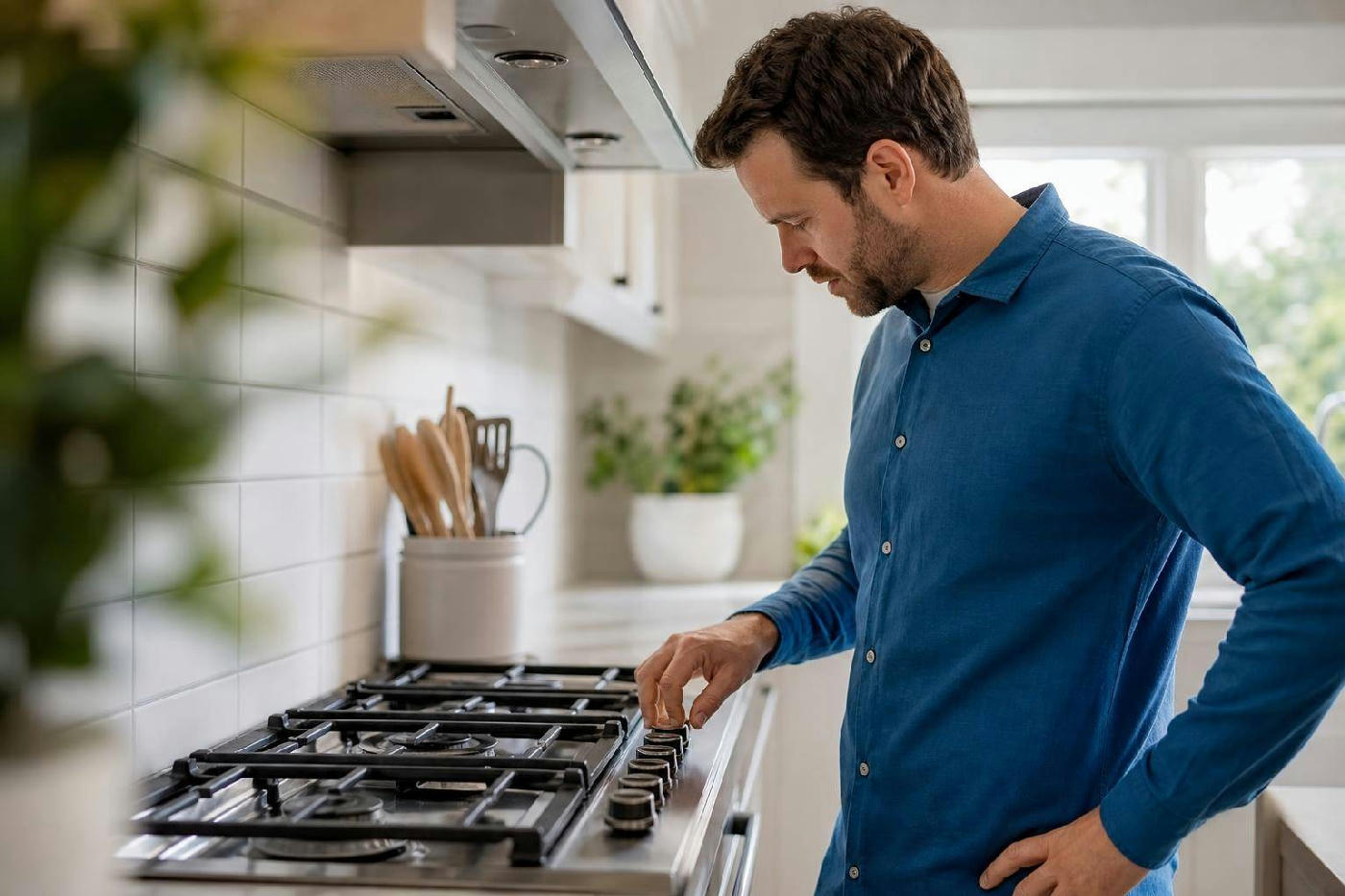
Gas appliances are a staple in many homes, offering efficient cooking, heating, and more. However, they come with their own set of risks. Ensuring the safe use of these appliances is crucial to prevent accidents and ensure the well-being of everyone in the household. This comprehensive guide explores essential gas appliance safety tips, helping you understand the importance of maintenance, detection of hazards, and emergency preparedness.
Understanding the Importance of Gas Appliance Safety
Gas appliances, while efficient, require careful handling and regular maintenance to ensure safety. They operate by burning natural gas or propane, which, if not managed correctly, can lead to leaks, fires, or even explosions. The potential for carbon monoxide poisoning also underscores the need for vigilance. Understanding these risks is the first step toward mitigating them.
Historical context: Over the years, there have been numerous incidents linked to improper gas appliance use. This history serves as a reminder of the critical need for proper installation, maintenance, and usage.
Technical definitions: Knowing terms like 'pilot light', 'thermocouple', and 'flame failure device' can enhance your understanding of how to operate and maintain your appliances safely.
Practical guidance: Regular inspections and adherence to manufacturer guidelines are non-negotiable for safe operation. Hiring professionals for installation and repairs can also prevent mishaps.
How to Safely Use Gas Appliances: Best Practices
Safe usage of gas appliances involves understanding both the device's operation and the potential risks involved. Adopting best practices can significantly reduce the likelihood of accidents.
Installation and Maintenance
Proper installation by a certified technician is crucial. Incorrect setup can lead to leaks or inefficient operation. Regular maintenance checks, at least annually, should be conducted to ensure all components function correctly.
Real-world example: A poorly installed gas stove can produce excessive carbon monoxide, posing a serious health risk. Regular inspections can catch such issues early.
Trade-offs: While professional services may cost more upfront, they ensure safety and efficiency, potentially saving money in the long run.
Daily Usage Tips
Always use appliances according to the manufacturer's instructions. This includes not using a gas oven to heat your home and ensuring burners are turned off when not in use.
Practical tip: Keep flammable items away from your stove and ensure adequate ventilation in the kitchen.
Critical point: Ignoring usage guidelines can lead to dangerous situations, including fires or gas buildup.
Gas Appliance Safety Checklist: Must-Follow Steps
A safety checklist can help ensure that all necessary precautions are taken to avoid accidents. This list serves as a guide for both new and seasoned users of gas appliances.
Item 1: Ensure all gas appliances have a steady, blue flame. A yellow or orange flame may indicate incomplete combustion and the potential release of carbon monoxide.
Item 2: Install carbon monoxide detectors on every level of your home. This is crucial in detecting harmful gas that is otherwise invisible and odorless.
Item 3: Check for leaks regularly using a soap solution on gas connections. Bubbles indicate a leak, which needs immediate attention from a professional.
Item 4: Keep the area around appliances clear of clutter and flammable materials to prevent fires.
Common Gas Appliance Hazards and How to Avoid Them
Several hazards are associated with gas appliances. Understanding these can help in proactively avoiding them and maintaining a safer environment.
Carbon Monoxide Poisoning
Carbon monoxide is a silent killer, often resulting from poorly maintained appliances. Ensuring proper ventilation and regular maintenance checks can prevent this hazard.
Insider tip: Ensure all vents are clear and unobstructed to allow harmful gases to escape.
Example: A blocked vent can lead to carbon monoxide accumulation inside the home, posing severe health risks.
Gas Leaks
Gas leaks present a significant explosion risk. Regularly inspect connections and hoses for wear and tear, and replace them when necessary.
Key warning: If you smell gas, evacuate immediately and contact emergency services. Do not attempt to locate the leak yourself.
Consideration: Using appliances with automatic shut-off features can provide an added layer of safety.
Gas Safety in the Home: Creating a Secure Environment
Creating a secure environment involves more than just maintaining your appliances. It's about adopting a holistic approach to safety that considers all aspects of gas usage in the home.
Preventive measures: Install smoke and carbon monoxide detectors, and test them regularly to ensure they function correctly.
Environmental controls: Ensure that rooms with gas appliances are well-ventilated. This helps prevent the buildup of harmful gases.
Family awareness: Educate all household members on the importance of gas safety and what to do in case of an emergency.
Detecting Gas Leaks: Signs and Immediate Actions
Detecting a gas leak early can prevent potentially catastrophic events. Knowing the signs and immediate actions can make all the difference.
Signs of a Gas Leak
The most obvious sign of a gas leak is the smell of rotten eggs, a scent added to natural gas to make leaks detectable. Other signs include hissing sounds near gas lines and dead or discolored vegetation around the pipeline.
Practical advice: Install a gas detector near appliances for early warning of leaks.
Example scenario: If your gas bill spikes unexpectedly, this might indicate a leak. Investigate promptly.
Immediate Actions to Take
If you suspect a gas leak, evacuate the area immediately. Avoid using electrical devices or phones inside the home to prevent sparks. Once outside, contact emergency services.
Key takeaway: Do not attempt to fix the leak yourself. Always seek professional help.
Consideration: Familiarize yourself with the location of gas shut-off valves and how to use them in emergencies.
Carbon Monoxide Safety: Preventing a Silent Threat
Carbon monoxide (CO) is a colorless, odorless gas that can be deadly. Preventing exposure to CO involves a combination of proper appliance maintenance and the use of detectors.
Installation tips: Place CO detectors on every level of your home, particularly near sleeping areas. Regularly test these detectors and replace batteries as needed.
Maintenance advice: Ensure that gas appliances are serviced annually by a qualified technician to prevent CO leaks.
Warning: Never run gas-powered equipment indoors, including generators. Improper use can lead to CO buildup.
Ventilation and Maintenance: Key to Safe Gas Appliance Use
Proper ventilation and regular maintenance are essential for the safe operation of gas appliances. They prevent the buildup of harmful gases and ensure efficient appliance performance.
Ventilation Considerations
Ensure that all appliances are installed with proper ventilation systems. This includes vent hoods over stoves and direct vents for furnaces and water heaters.
Practical tip: Regularly inspect and clean ventilation systems to ensure they function correctly.
Example: A clogged vent can cause dangerous fumes to accumulate indoors, posing a health risk.
Regular Maintenance
Schedule regular maintenance checks with a qualified professional. This includes cleaning burners, checking for leaks, and ensuring all components are in good working order.
Insider tip: Keep a maintenance log for each appliance to track servicing and repairs.
Trade-offs: While regular maintenance incurs a cost, it extends the life of your appliances and ensures safety.
Emergency Preparedness: What to Do If You Smell Gas
Being prepared for a gas emergency can prevent panic and ensure swift, effective action. Understanding the steps to take can make a significant difference in outcomes.
Immediate evacuation: If you smell gas, evacuate the area immediately. Do not use electronic devices or switches that could cause a spark.
Contact authorities: Once safely outside, contact emergency services or your gas provider to report the leak.
Do not return: Do not re-enter the premises until it has been declared safe by professionals.
Preventive action: Familiarize yourself with the location of the main gas shut-off valve and how to turn it off in emergencies.
Comprehensive Breakdown: Key Differences & Comparison Table
Different gas appliances have unique safety requirements and operational features. Understanding these differences can guide you in choosing and maintaining the right appliances for your home.
| Appliance Type | Safety Features | Maintenance Needs | Common Hazards |
|---|---|---|---|
| Gas Stove | Auto Shut-off, Safety Valves | Bi-annual Cleaning, Leak Checks | Fire, Gas Leaks |
| Gas Heater | Thermostat Control, Overheat Protection | Annual Inspection, Vent Cleaning | Carbon Monoxide Poisoning |
| Water Heater | Pressure Relief Valve, Temperature Control | Regular Flushing, Leak Checks | Scalding, Gas Leaks |
Corrugated Stainless Steel Tubing (CSST) Safety
CSST is a flexible tubing used to supply natural gas in homes. While convenient, it requires proper installation and grounding to prevent hazards.
Installation requirements: CSST must be installed by professionals who ensure it's correctly bonded and grounded.
Maintenance tips: Regular inspections can prevent wear and tear that might lead to leaks.
Key warning: Never use gas pipes for unintended purposes, such as hanging items, as this can cause structural damage and increase risk.
FAQs about Gas Appliance Safety Tips
What are the most common gas appliance hazards?
The most common hazards include gas leaks, carbon monoxide poisoning, and fires. Gas leaks can lead to explosions, while carbon monoxide is a deadly, odorless gas. Proper maintenance and use of detectors can mitigate these risks.
How can I tell if there is a gas leak in my home?
The smell of rotten eggs is the most common indicator of a gas leak, as this odor is added to natural gas. Other signs include hissing sounds near gas lines and unexpected increases in gas bills.
What steps should I take if my carbon monoxide detector goes off?
If your carbon monoxide detector alarms, evacuate the building immediately and call emergency services. Do not attempt to locate the source of CO yourself, as it can be dangerous to stay inside.
Is it safe to use gas appliances during a power outage?
Some gas appliances can be used during a power outage, but caution is required. Ensure proper ventilation and avoid using ovens or ranges as heaters, as this can lead to CO buildup.
What maintenance should I perform on my gas appliances?
Regular maintenance includes checking for leaks, cleaning burners, and ensuring proper ventilation. Annual inspections by a professional are recommended to ensure safe operation.
Can I install a gas appliance myself, or should I hire a professional?
It is highly recommended to hire a professional for gas appliance installation. Professionals ensure proper setup and compliance with safety standards, reducing the risk of leaks and malfunctions.
How often should my gas appliances be inspected?
Gas appliances should be inspected at least once a year by a qualified technician. Regular inspections help identify potential issues early, ensuring safety and efficiency.