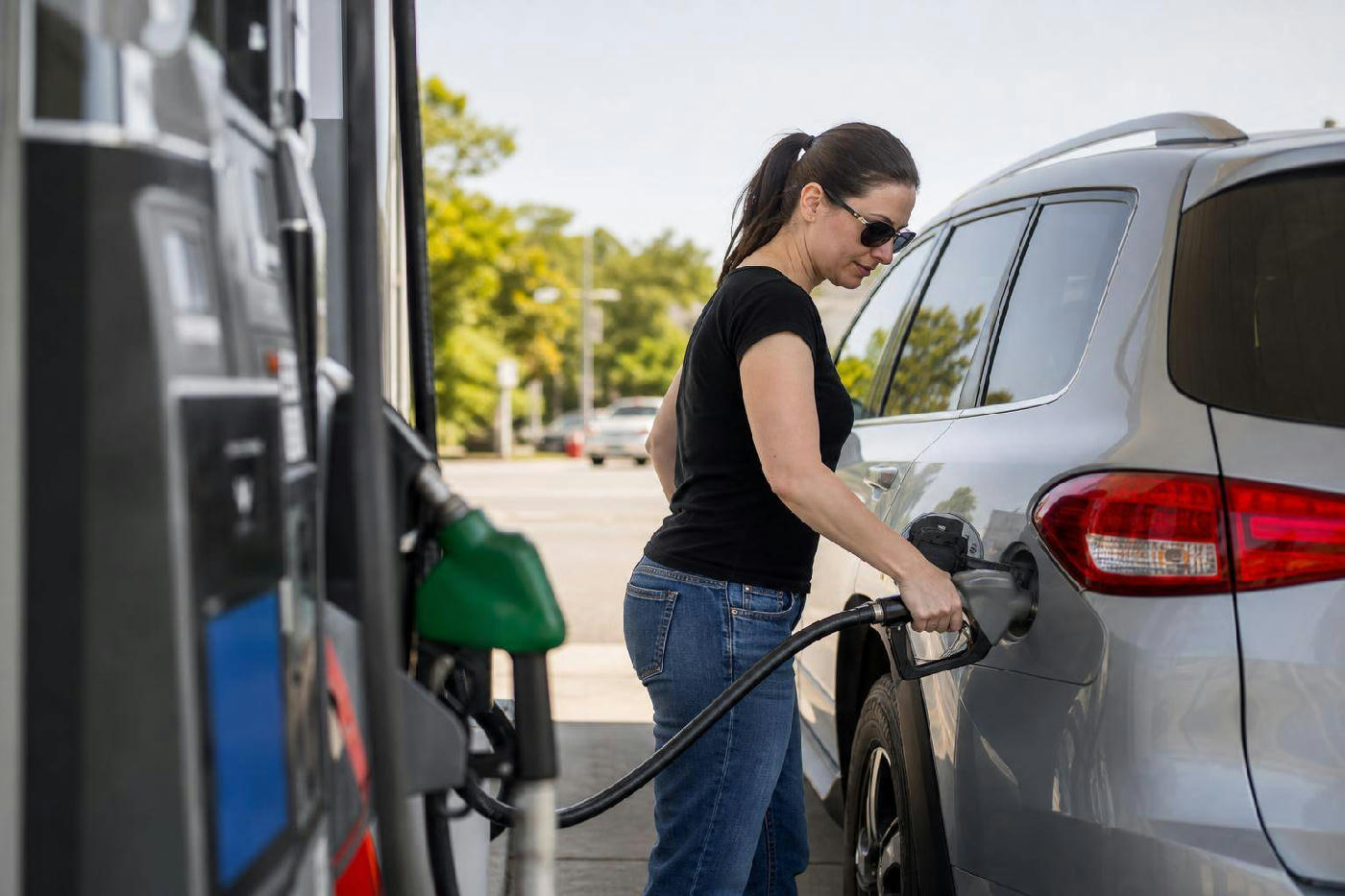

In an era where fuel efficiency is more critical than ever, understanding how to improve gas mileage can save you money and reduce your carbon footprint. From selecting the right fuel type to adopting smarter driving habits, this guide covers all aspects of maximizing your vehicle's fuel efficiency. By employing these strategies, you'll not only enhance your car's performance but also contribute positively to the environment. Let's dive into the intricate details of improving gas mileage and what it means for your vehicle and wallet.
1. Understanding Gas Mileage: What It Is and Why It Matters
Gas mileage, often referred to as fuel economy, measures how far a vehicle can travel on a specific amount of fuel. Typically expressed in miles per gallon (MPG), it is a crucial factor for both economic and environmental reasons. The higher the MPG, the less fuel your vehicle consumes, reducing the overall cost of driving and minimizing greenhouse gas emissions.
The critical factor: Efficient gas mileage directly impacts your budget. With fluctuating gas prices, a car with better MPG translates to less frequent visits to the pump, saving you significant amounts over time. Additionally, vehicles with superior fuel economy contribute to a healthier planet by releasing fewer pollutants.
Understanding your vehicle's gas mileage involves knowing its fuel efficiency ratings, affected by factors like engine size, weight, and aerodynamics. By comprehending these elements, you can make informed decisions about vehicle maintenance and driving habits that enhance fuel efficiency.
2. Fuel Types and Their Impact on Gas Mileage
Choosing the right fuel type for your vehicle is more than just a manufacturer’s recommendation; it’s a key factor in optimizing gas mileage. Different fuels contain varying energy levels, which can influence how efficiently your engine operates.
Regular vs. Premium Fuel
Most cars run efficiently on regular gasoline, which is affordable and readily available. However, some high-performance vehicles require premium fuel to operate optimally. Premium fuel has a higher octane rating, reducing engine knocking and potentially improving fuel efficiency for these specific engines. Using premium fuel in a vehicle that doesn’t require it, though, typically offers no additional benefit.
Diesel and Alternative Fuels
Diesel engines generally offer better fuel efficiency compared to gasoline engines, especially for vehicles used in heavy-duty applications. Diesel’s higher energy density means more mileage per gallon. Alternatively, hybrid and electric vehicles are excellent for fuel economy, using little to no gasoline. While the initial cost may be higher, the long-term savings and environmental benefits are substantial.
The Role of Ethanol Blends
Ethanol blends, like E10 or E85, are common in many regions. While ethanol is renewable and burns cleaner than pure gasoline, its lower energy content can lead to decreased fuel efficiency. Vehicles designed to run on ethanol blends may not experience a significant drop in MPG, but using high ethanol concentrations in standard engines can reduce mileage.
3. Tire Maintenance: Simple Steps to Increase Fuel Efficiency
Proper tire maintenance is crucial for maintaining and improving gas mileage. Tires are the only point of contact between your vehicle and the road, making their condition essential for optimal performance.
Maintain Correct Tire Pressure
The foundation of tire efficiency: Keeping your tires inflated to the manufacturer’s recommended pressure can improve your MPG by up to 3%. Under-inflated tires increase rolling resistance, forcing your engine to work harder and consume more fuel. Regularly check tire pressure, especially during seasonal temperature changes, to ensure they are properly inflated.
Regular Tire Rotation
Rotating your tires every 5,000 to 8,000 miles ensures even tread wear, extending tire life and maintaining consistent fuel efficiency. Uneven tire wear can lead to increased rolling resistance and, consequently, higher fuel consumption. Tire rotation is a simple maintenance task that can significantly impact your vehicle’s performance.
Wheel Alignment and Balancing
Misaligned wheels cause your car to use more energy to move forward, as the tires are not moving in the same direction. Regular wheel alignment not only improves gas mileage but also enhances vehicle handling and safety. Balancing your tires also prevents uneven wear, reducing rolling resistance and maintaining optimal fuel efficiency.
4. Driving Habits that Improve Car Gas Mileage
Your driving style plays a significant role in your vehicle’s fuel efficiency. Adopting more efficient driving habits can lead to substantial improvements in gas mileage.
Accelerate and Brake Smoothly
Aggressive driving, characterized by rapid acceleration and hard braking, can lower your gas mileage by up to 33% on the highway and 5% around town. By anticipating traffic flow and maintaining a steady speed, you can conserve fuel and enhance your vehicle’s efficiency.
Use Cruise Control
On highways, using cruise control helps maintain a constant speed, which is more efficient than fluctuating speeds. This consistency reduces unnecessary fuel consumption and can improve gas mileage significantly, especially on long trips. However, cruise control should be used judiciously on hilly terrains to prevent excessive fuel use.
Reduce Idling
Idling consumes fuel without moving the vehicle. For modern vehicles, it’s more efficient to turn off the engine if you expect to be stopped for more than a minute. Restarting the engine uses less fuel than idling, making it a simple yet effective way to improve fuel economy.
5. The Importance of Regular Vehicle Maintenance
Routine maintenance is vital for keeping your vehicle running efficiently and optimizing gas mileage. Neglecting maintenance can lead to decreased performance and increased fuel consumption.
Engine Tune-Ups: Regularly scheduled engine tune-ups ensure that your vehicle operates at peak efficiency. Replacing spark plugs, cleaning air filters, and ensuring optimal ignition timing can significantly boost your MPG. A well-tuned engine is not only more efficient but also more reliable and durable.
Check and Replace Air Filters: A clean air filter improves airflow to the engine, which is crucial for maintaining the correct air-fuel mixture and ensuring efficient combustion. Dirty air filters can reduce your MPG by up to 10%, making regular inspections and replacements a simple yet effective measure.
Monitor and Maintain Fluid Levels: Keeping engine oil and transmission fluid at recommended levels reduces friction and wear in your engine, promoting better fuel efficiency. Regular oil changes are essential for reducing engine wear and ensuring smooth operation.
6. Aerodynamics: How to Optimize Your Vehicle for Better Gas Mileage
Aerodynamics play a crucial role in determining your vehicle’s fuel efficiency. Reducing aerodynamic drag can lead to significant improvements in gas mileage, especially at higher speeds.
Reduce Drag
Streamline your ride: Remove roof racks when not in use, keep windows closed at high speeds, and avoid carrying unnecessary external accessories. These measures reduce air resistance, allowing your vehicle to move more efficiently through the air.
Vehicle Design and Modifications
Some vehicles come with aerodynamic designs that naturally reduce drag. If you’re considering modifications, look for options that enhance your car’s aerodynamic profile, such as installing a rear spoiler or using smooth wheel covers. These modifications can slightly increase your MPG by minimizing air resistance.
Keep Your Car Clean
Believe it or not, a clean car can be more aerodynamic. Dirt and debris can increase surface roughness, leading to higher drag. Regular car washes not only maintain your vehicle’s appearance but can also contribute to better fuel efficiency.
7. Weight Management: How Excess Weight Affects Fuel Consumption
The weight of your vehicle is directly proportional to its fuel consumption. Managing and reducing excess weight is a straightforward way to improve gas mileage.
Lighten the Load: Remove unnecessary items from your car to reduce weight. Every 100 pounds of additional weight can reduce your MPG by about 1%. Cleaning out your trunk and back seat can lead to noticeable improvements in fuel efficiency.
Consider Material Upgrades: If you’re serious about reducing vehicle weight, consider upgrading to lighter materials for certain components, such as aluminum wheels or carbon fiber parts. Although these changes can be costly, they offer long-term benefits in fuel savings and vehicle performance.
Optimize Passenger and Cargo Weight: Distribute weight evenly within the vehicle to maintain balance and reduce strain on the engine. Overloaded vehicles not only consume more fuel but can also be unsafe and cause additional wear and tear.
8. How to Use Technology and Gadgets to Monitor and Improve Gas Mileage
Modern technology offers numerous tools and gadgets designed to help you monitor and enhance your vehicle’s fuel efficiency.
Fuel Efficiency Apps
Apps like Fuelly and GasBuddy allow you to track your fuel usage, monitor efficiency trends, and find the cheapest gas stations nearby. By keeping a digital log of your fuel consumption, these apps help you identify patterns and make informed decisions to improve gas mileage.
Onboard Diagnostics (OBD-II) Devices
OBD-II devices plug into your vehicle’s diagnostic port and provide real-time data about your car’s performance, including fuel efficiency. Devices like the FIXD sensor offer insights into potential issues affecting your MPG, enabling timely interventions and maintenance.
GPS and Route Optimization Tools
Using GPS devices or apps that offer route optimization can help you choose the most efficient paths, avoiding traffic jams and unnecessary stops. Efficient routing not only saves time but also reduces fuel consumption, contributing to better overall gas mileage.
9. Myths and Misconceptions about Improving Gas Mileage
There are many myths surrounding fuel efficiency, and separating fact from fiction is crucial for achieving better gas mileage.
Myth: Premium Fuel Always Improves MPG – While premium fuel is necessary for some high-performance vehicles, it does not inherently boost MPG for standard engines. Using premium fuel in a regular engine offers no additional benefits.
Myth: Larger Vehicles Can’t Be Fuel Efficient – Advances in technology have enabled larger vehicles to achieve impressive fuel efficiency through hybrid systems and lightweight materials. It’s possible to own a larger vehicle without sacrificing efficiency.
Myth: Manual Transmissions Are Always More Efficient – While manual transmissions were once considered more efficient, modern automatic transmissions are often equal or superior in fuel efficiency due to technological advancements.
10. Comprehensive Breakdown: Key Differences & Comparison Table
Understanding the different factors that influence gas mileage and how they compare can help you make informed decisions about improving your vehicle’s performance. The table below summarizes key differences and considerations for various approaches to improving gas mileage.
| Factor | Impact on MPG | Cost | Ease of Implementation |
|---|---|---|---|
| Tire Pressure | +1-3% Increase | Low | Easy |
| Fuel Type | Varies | Medium | Moderate |
| Driving Habits | +5-33% Increase | None | Moderate |
| Regular Maintenance | +10% Increase | Medium | Moderate |
| Aerodynamics | +1-5% Increase | Varies | Moderate |
| Weight Management | +1% per 100 lbs | Low | Easy |
11. Real-World Examples: Success Stories of Improved Gas Mileage
Real-life examples often provide the best insights into the effectiveness of fuel efficiency strategies. Here are some success stories that highlight practical applications of the techniques discussed.
Case Study 1: The Commuter’s Triumph – By adopting smoother driving habits and maintaining regular vehicle service, one commuter improved their gas mileage by 20% over six months. The changes resulted in savings of over $300 in fuel costs.
Case Study 2: The Road Trip Enthusiast – A couple planning a long road trip used a combination of fuel efficiency apps and route optimization tools. By maintaining proper tire pressure and minimizing unnecessary weight, they achieved a 15% increase in fuel efficiency, making their journey more economical.
Case Study 3: The Eco-Conscious Family – Switching to a hybrid vehicle and adopting energy-saving driving practices, this family reduced their annual fuel consumption by nearly 40%. The initial investment in a hybrid was offset by significant long-term savings and environmental benefits.
12. Frequently Asked Questions
What is the best way to improve gas mileage quickly?
The quickest way to improve gas mileage is to ensure your tires are properly inflated. Proper tire pressure reduces rolling resistance, allowing your car to operate more efficiently. Regularly checking and adjusting tire pressure can yield immediate improvements in fuel economy.
Does using cruise control really help increase fuel efficiency?
Yes, using cruise control on highways helps maintain a constant speed, which is more fuel-efficient than fluctuating speeds. It reduces unnecessary acceleration and deceleration, thus improving gas mileage. However, on hilly roads, manual control might be more efficient.
How does air conditioning affect my car's gas mileage?
Air conditioning can decrease your vehicle's gas mileage by up to 25% due to the added load on the engine. To minimize this effect, use air conditioning sparingly and opt for ventilation when driving at lower speeds.
Why is it important to avoid idling for better gas mileage?
Idling consumes fuel without moving the vehicle, wasting gas and reducing MPG. Turning off the engine during long stops is more efficient. Modern engines are designed to handle frequent starts without excessive wear.
Can making modifications to my car significantly improve gas mileage?
Yes, certain modifications like aerodynamic enhancements or engine tuning can improve gas mileage. However, the cost and complexity of these modifications vary, and it's essential to ensure they are compatible with your vehicle.
How often should I check my tire pressure to maintain good gas mileage?
You should check your tire pressure at least once a month and before long trips. Regular checks ensure that your tires are properly inflated, which is crucial for maintaining optimal fuel efficiency and safety.
Are there specific brands or types of cars known for better fuel efficiency?
Yes, hybrid and electric cars are typically more fuel-efficient than traditional gasoline vehicles. Brands like Toyota (Prius) and Tesla are known for their fuel-efficient models. It's essential to consider your driving needs and environment when choosing a vehicle.